
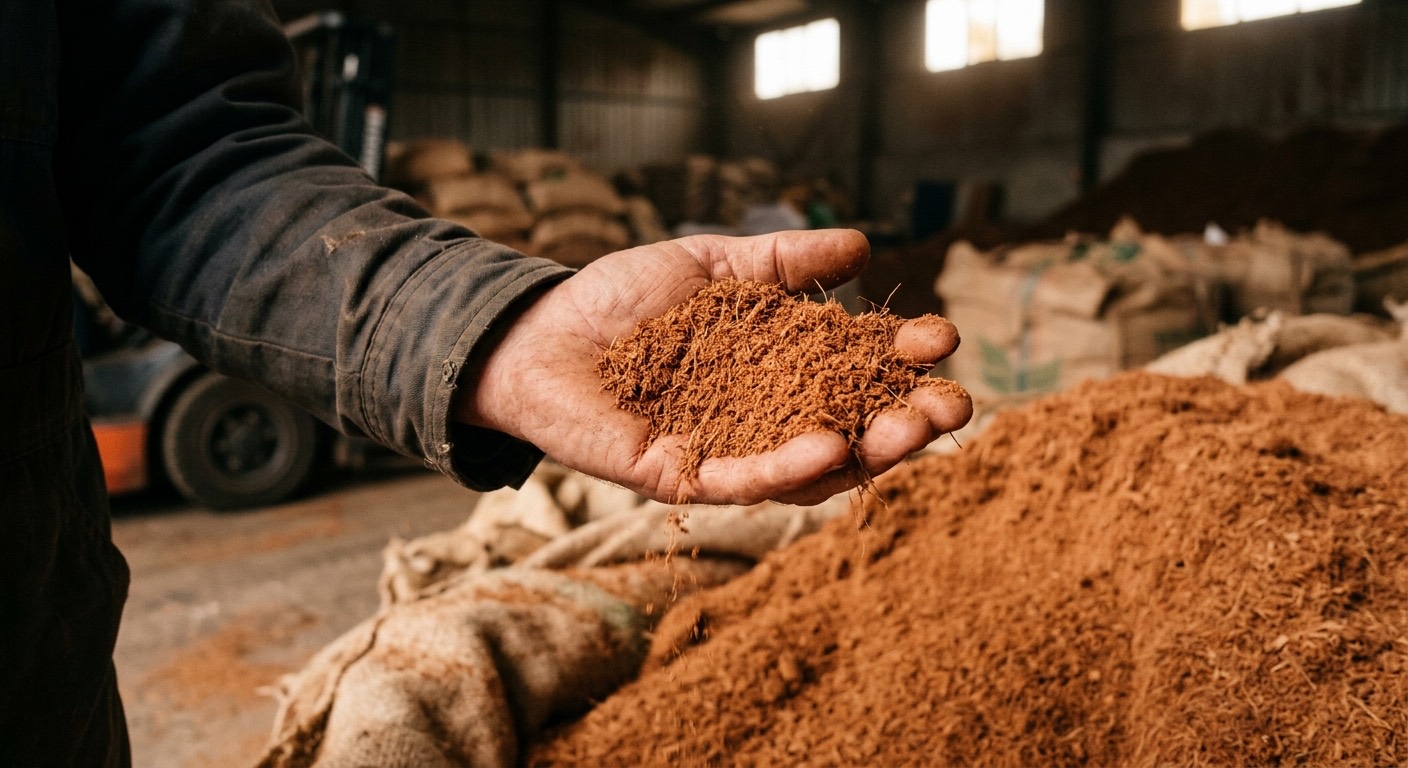
Coir pith (cocopeat) from the mature dry coconut husk, Brazil.
Also called coco peat, cocopeat or coco coir. Water holding 8–10× dry weight, total porosity above 94%. Natural or washed grades. Lot analysis report with every shipment.
In short
- Screened on a rotary screen at a ~4.13 mm mesh, with most particles under 2 mm.
- Moisture ≤18%.
- Bulk density ~90–95 kg/m³ loose.
- Water holding capacity ≥5× dry weight (guaranteed). Total porosity >94%.
- Natural, Washed or Buffered grades. EC measured and reported per lot (1:5 method).
- 100 L woven bags, loose fill, palletised. Every bag carries the lot QR code.
- A standard 140 m³ truck carries about 1,400 bags of 100 L.
What coir pith is
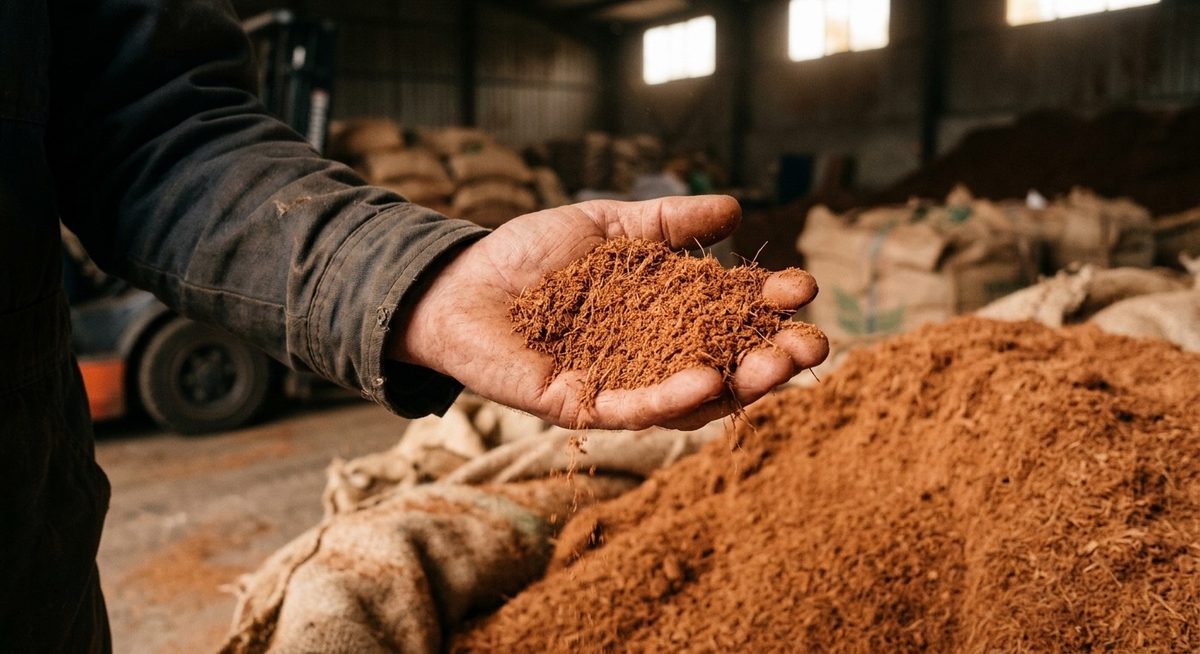
Coir pith, also known as coco peat, is the fine fraction of the mature dry coconut husk, obtained by mechanical shredding and separation on a rotary screen with a ~4.13 mm mesh. It is the coir substrate with the highest water holding capacity, used as a growing medium, as a blend component or as a base for substrate formulation.
Available natural (unwashed, no additives), washed (EC reduced by freshwater cycles) or buffered (washed then treated with calcium and magnesium to displace potassium). The grade is chosen by the customer according to the crop's requirements.
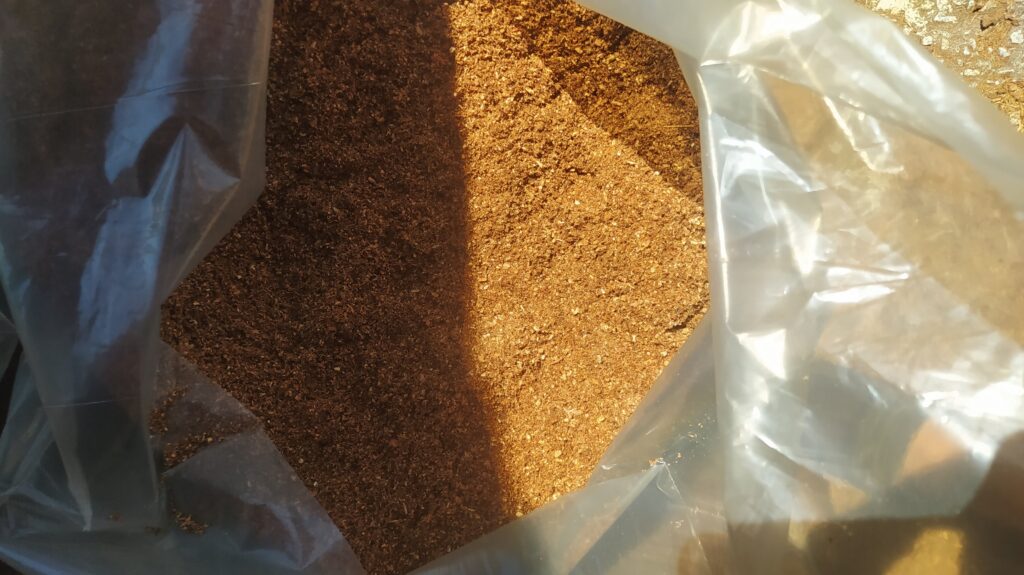
Fine-textured substrate
Particle size controlled on a rotary screen with a ~4.13 mm mesh. Made from the mature dry coconut husk. Uniform particle size, free of coarse fragments.
Technical data sheet
The values below are the product's minimum guarantees. The actual values for each lot are measured, printed on the bag and accessible through the QR code. To receive the full analysis report for a specific lot, contact us.
Control per lot
Every lot is analysed before dispatch. Lots with parameters outside the agreed range are held back.
Who coir pith is for
-
 01
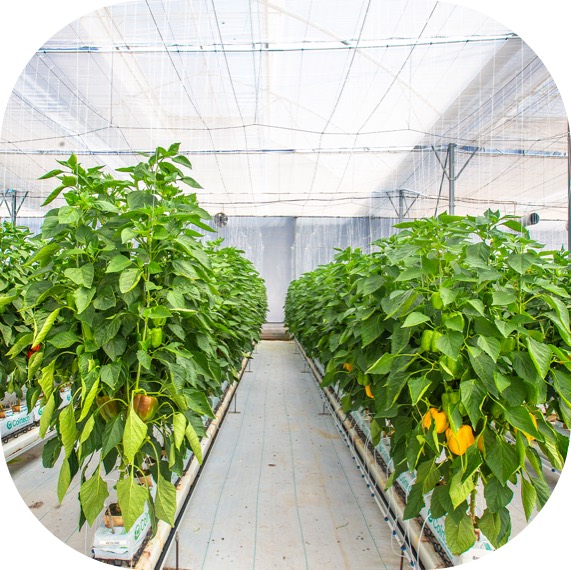
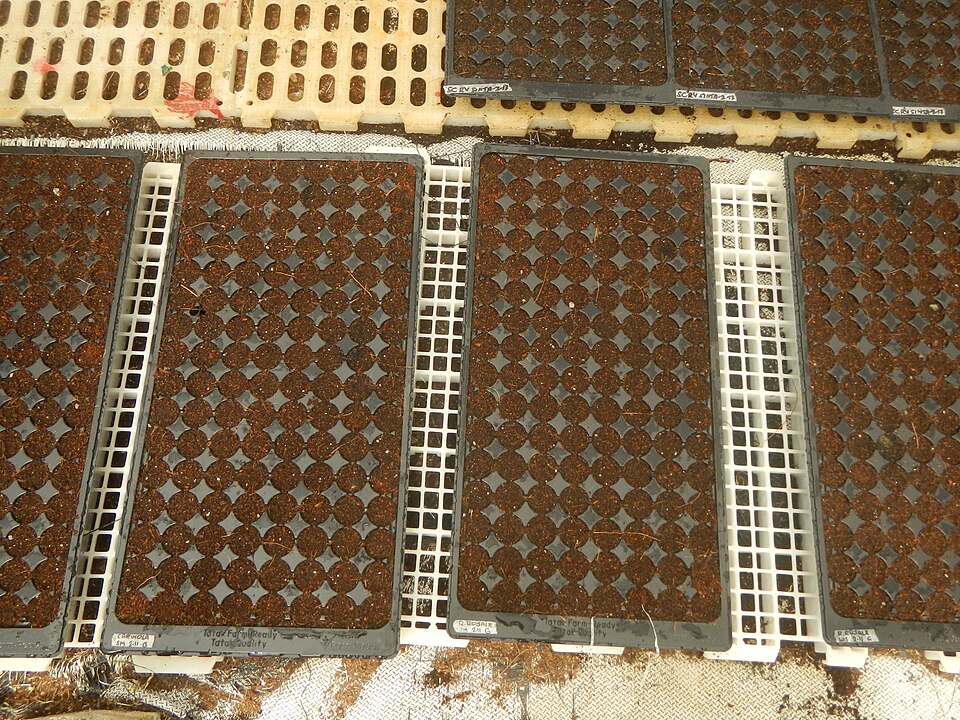
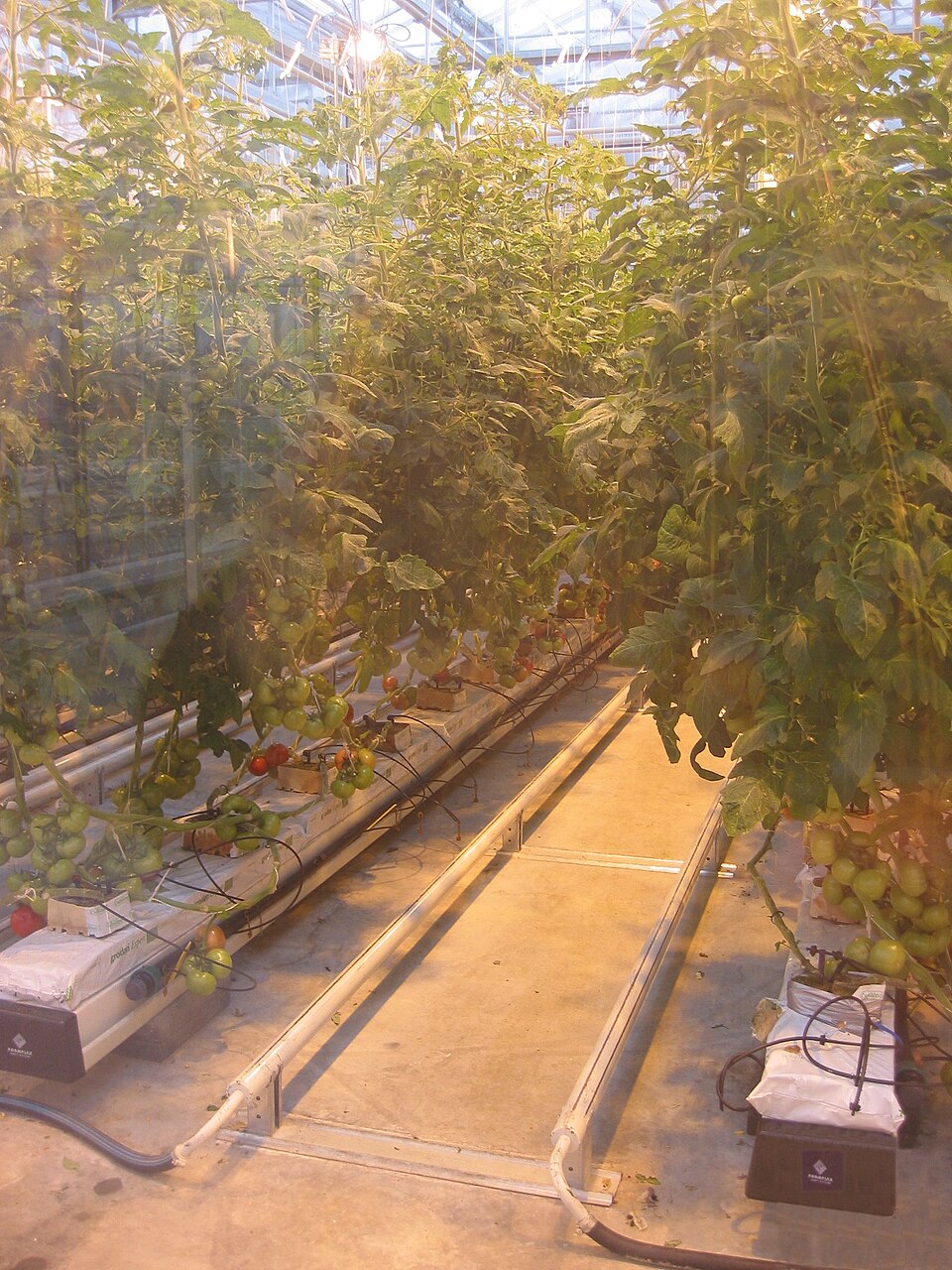
01Tomato and strawberry
Soilless cultivation with medium-to-low EC tolerance. Recommended. The main use of coir pith.
-
 02
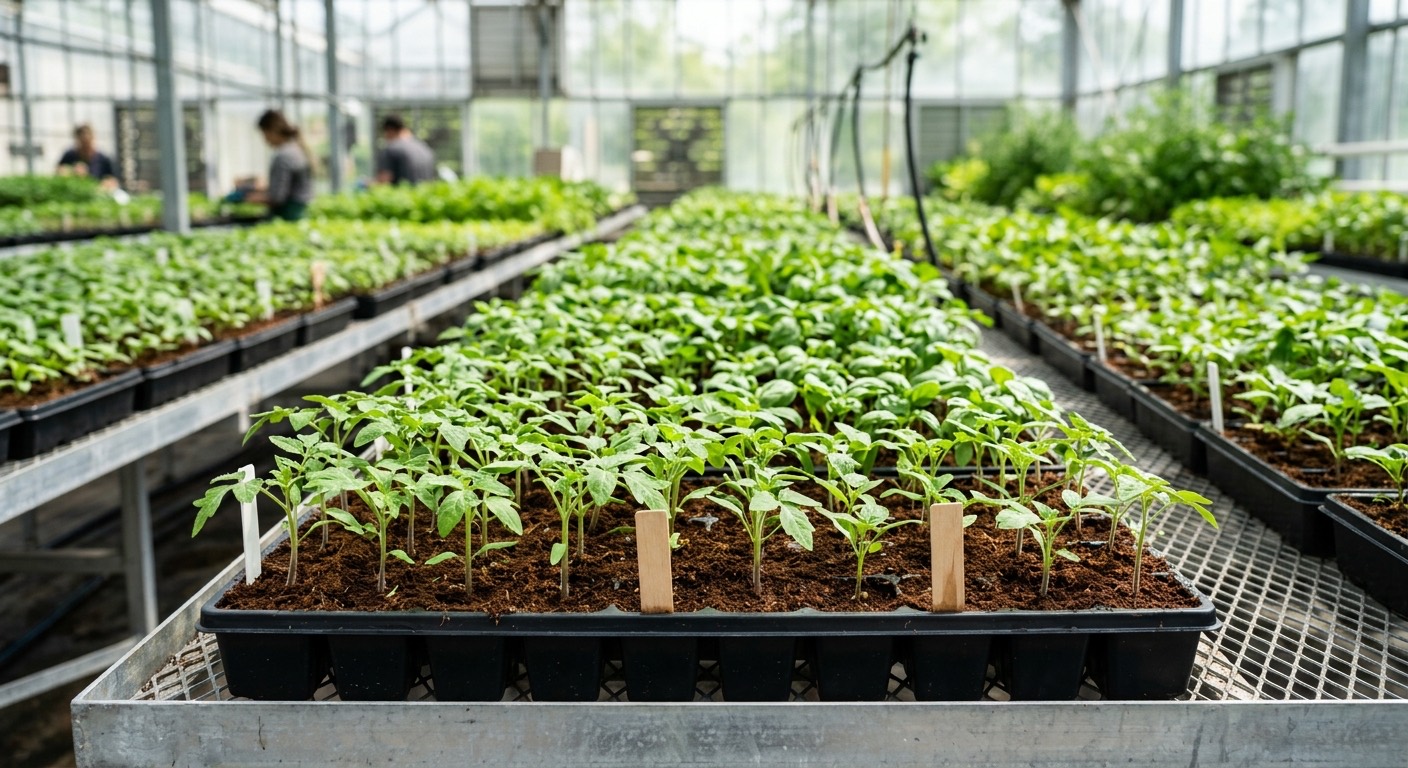
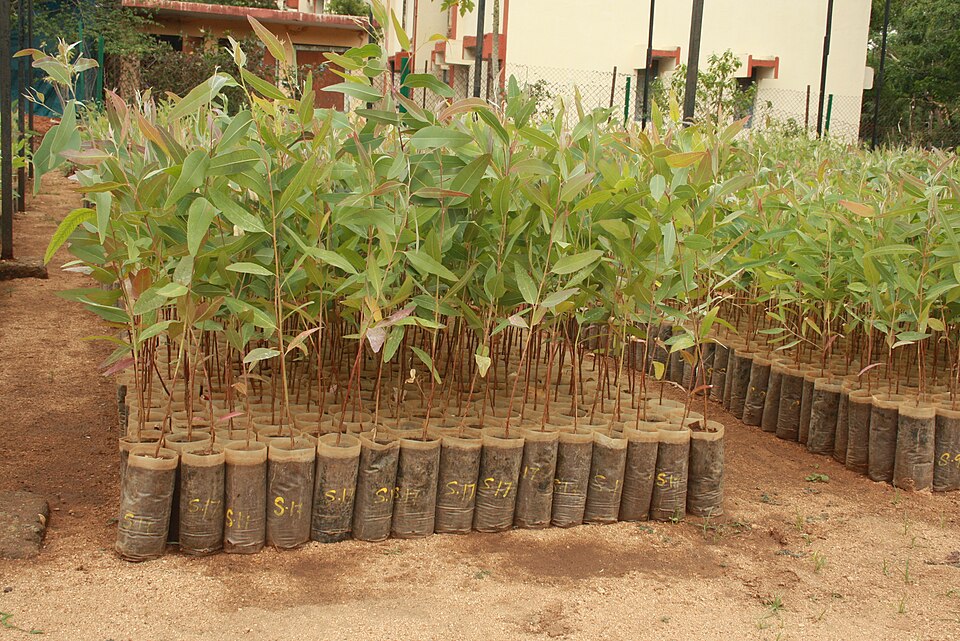
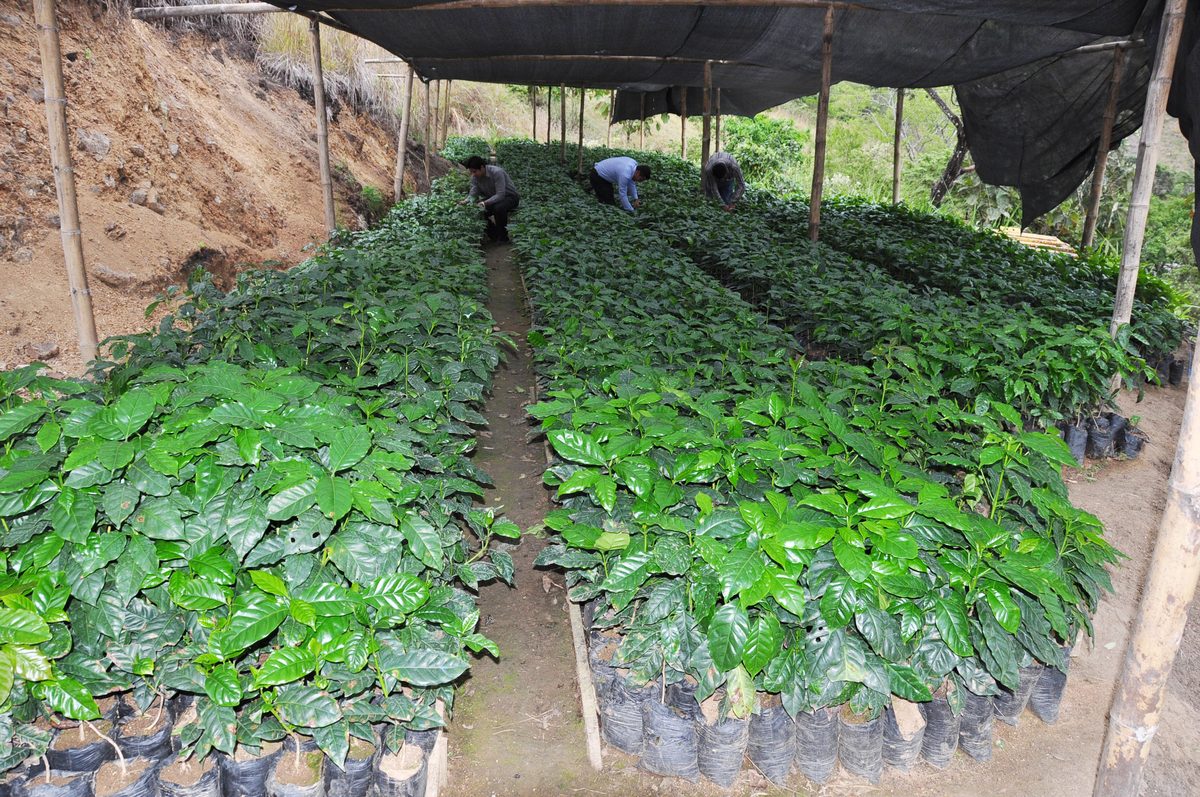
02Coffee, eucalyptus and vegetables
Clonal eucalyptus and leafy vegetables with medium EC tolerance. Recommended with a contractual EC limit.
-
 03
03Citrus, tobacco and pepper
Citrus rootstocks and crops with medium-to-high EC tolerance. Recommended. Tolerant crops.
-
 04
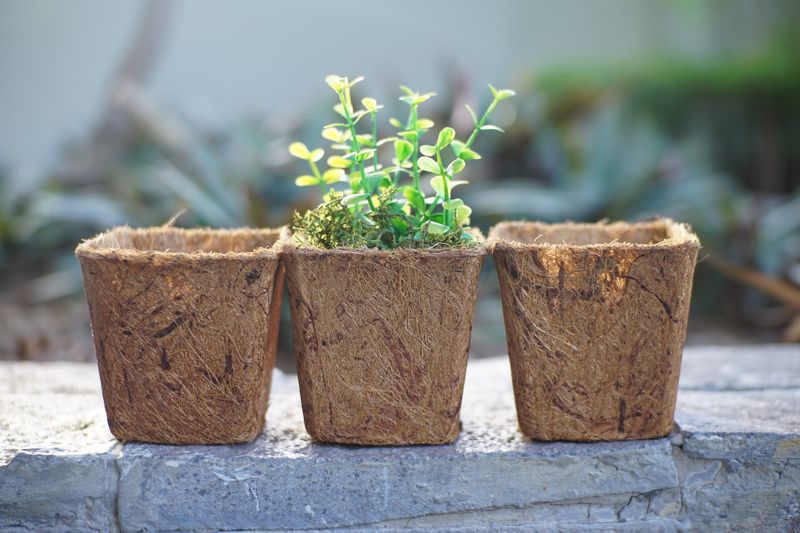
04Flowers and orchids
Seed sowing and ornamentals with low EC tolerance. Recommended in the Buffered grade.
-
 05
05Substrate manufacturers
EC ceiling fixed in the contract. Recommended. Natural or washed depending on the formulation.
-
 06
06Landscaping
Mulch and bed cover with high EC tolerance. Recommended. Direct use, any grade.
The choice between natural and washed grades depends on the crop's tolerance to electrical conductivity (EC). We measure the EC of every lot and the limit is set in the contract. Contact us to define the right grade for your application.
Natural or washed
Dry coconut husk, natural EC 0.8-1.5 mS/cm. Washing and buffering available to reduce EC and displace potassium as the crop requires.
| Grade | EC (1:5) | Suited crops |
|---|---|---|
| Natural (unwashed) | 0.8-1.5 mS/cm | Coffee, clonal eucalyptus, citrus, landscaping, leafy vegetables, substrate manufacturers |
| Washed | EC reduced by freshwater washing | Potted ornamentals, forestry seedlings, soilless vegetables |
| Buffered | Washed + Ca/Mg treatment | Strawberry, tomato, flowers, orchids, seed sowing, organics |
EC measured on every lot. The grade and EC limit are defined in the contract with the customer.
Available natural or washed.
Coir pith can be supplied unwashed (the natural EC of the raw material), washed (EC reduced by freshwater cycles) or buffered (washed then treated with calcium and magnesium to displace potassium). The grade is chosen by the customer according to the crop's requirements and the contractual EC limit.
-
Natural (unwashed)
Mechanical processing, no treatment. The husk's natural EC, measured and reported per lot. For tolerant crops, landscaping, and substrate manufacturers who correct EC in their own formulation.
-
Washed
After shredding and screening, the pith goes through freshwater washing cycles to reduce salts and EC. For potted ornamentals, forestry seedlings and soilless vegetables.
-
Buffered
Washed then treated with calcium and magnesium to displace potassium from the coir's exchange sites, lowering EC and stabilising the medium. For seed sowing, flowers, orchids and salt-sensitive crops. EC limit defined in the contract.
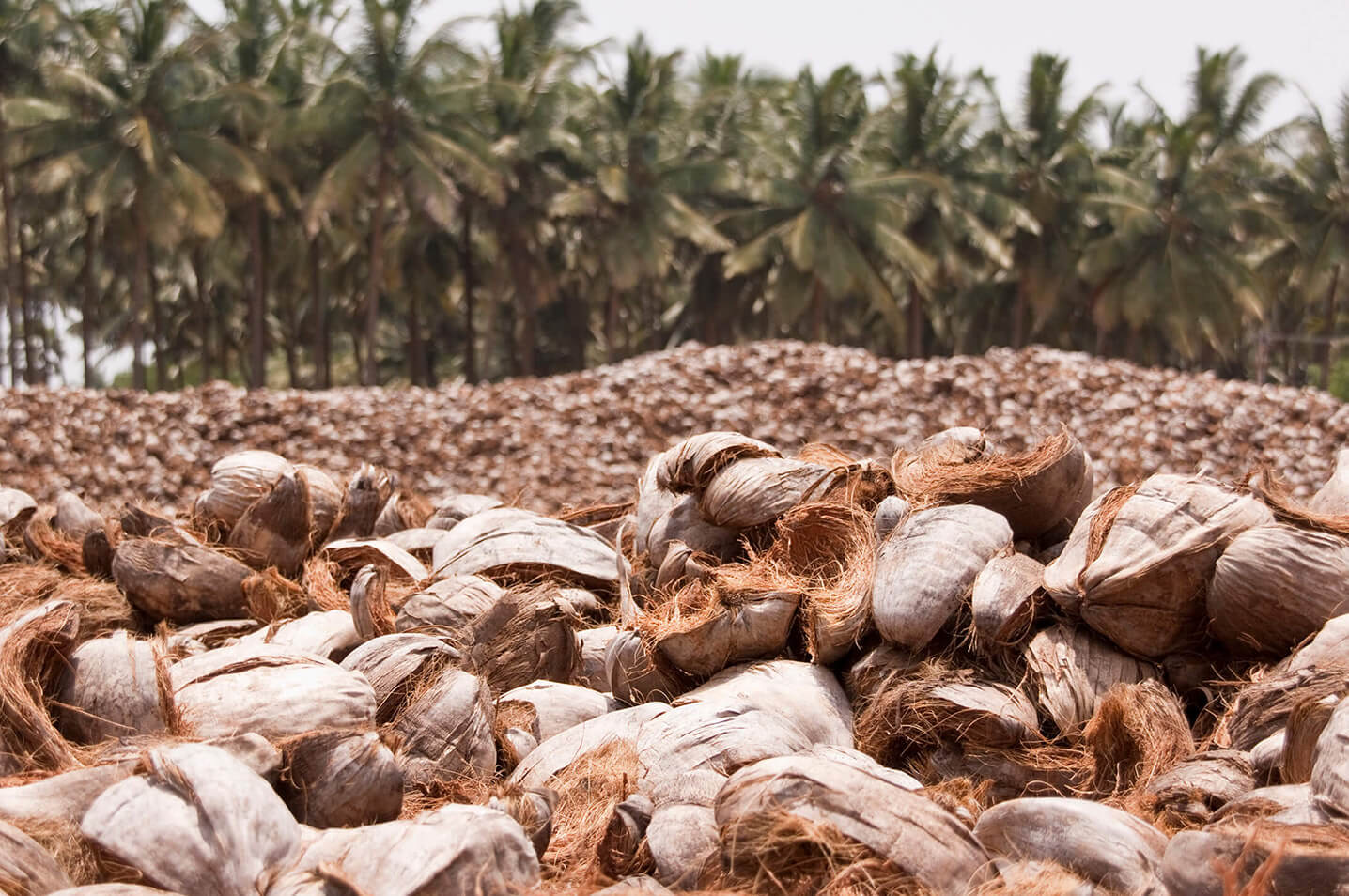
Origin: dry coconut husk, Brazil.
Mature coconut husk, harvested dry and rain-aged inland. No contact with brackish water, no retting. Organic matter is naturally high. Natural EC can vary, which is why we measure every lot and fix the limit in the contract.
Delivery format
- 01 100 L woven bags, loose fill, palletised
- 02 Compressed blocks for export on committed volume. Shipped via the Port of Pecém, Ceará
- 03 Every bag carries the lot QR code. Minimum order and freight terms on request
Application by crop
Each guide covers specification, dosage, technical sources and FAQ for Carve coir pith.

Frequently asked questions
What is the electrical conductivity (EC) of Carve's coir pith?
EC is measured on every lot (1:5 extract) and printed on the label and lot report; the acceptance limit is fixed in each customer's contract and an out-of-limit lot does not ship. Dry coconut husk has a documented range of 0.4 to 6.0 mS/cm in the literature (EMBRAPA COT-226-19), which is why we publish the guarantee mechanism rather than a single value. The Natural grade typically runs 0.8 to 1.5 mS/cm. The Washed grade has EC reduced by freshwater washing cycles. The Buffered grade is washed then treated with calcium and magnesium to displace potassium from exchange sites. The EC limit is fixed in each customer's contract.
Is the coir pith washed?
Coir pith is supplied in three grades: Natural (unwashed, no additives), Washed (freshwater washing to reduce salts and EC) or Buffered (washed then treated with calcium and magnesium to displace potassium from the coir's exchange sites). The grade is chosen by the customer according to the crop's requirement and the EC limit is set in the contract. The natural grade serves tolerant crops, landscaping and formulators who correct EC in their own blend.
What is the bulk density and how many bags fit in a truck?
Loose bulk density runs around 90 to 95 kg/m³ at 15-20% moisture, and the measured lot value is printed on the bag. A standard 140 m³ truck carries about 1,400 bags of 100 L, roughly 13 tonnes. The product is sold by volume, which is the unit that stays neutral to moisture content.
What is the particle size?
Coir pith is screened on a rotary screen at a ~4.13 mm mesh, with most particles under 2 mm. Particles below 0.5 mm are undesirable because they clog aeration pores, which is why the screening keeps the material relatively coarse.
Which crops is coir pith recommended for?
Tomato and strawberry in soilless cultivation, ornamental plants and nurseries with a contractual EC limit, landscaping and substrate formulators. For salt-sensitive seed sowing and EC-critical hydroponics we recommend asking about the washed grade.
What comes with every lot?
Every bag carries a QR code that opens the lot report with measured EC, pH and moisture, and the production date. A lot outside the contracted limit is not dispatched.
Sources: EMBRAPA COT-226-19 · Romero 2025 (particles <0.5 mm) · Carve QC procedure.