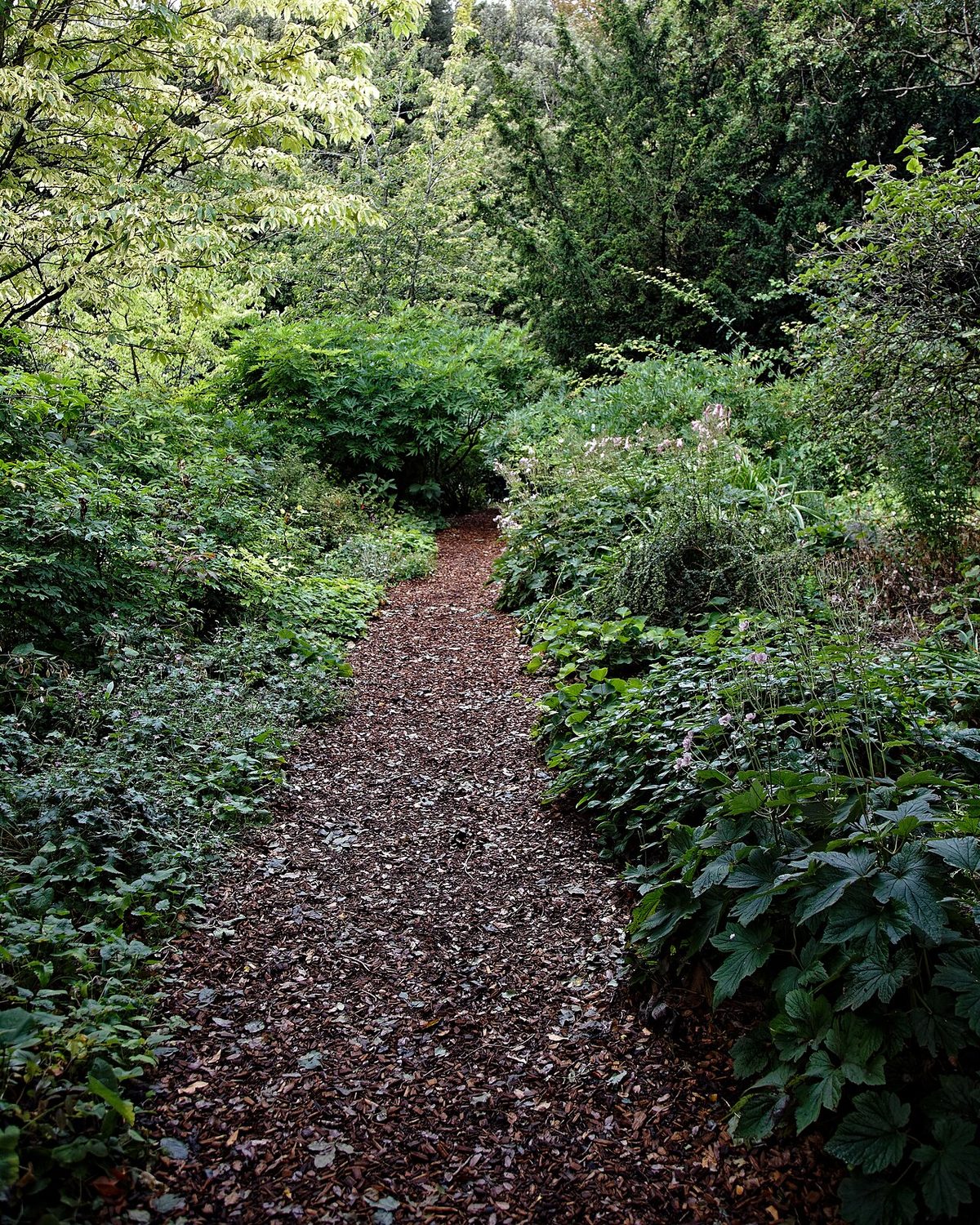
Coconut Husk Chips as Decorative Mulch
Husk chips — cut pieces of dry mature coconut husk with controlled dimensions — bring a warm, natural brown tone and a chunky, uniform texture that works as a finishing top dressing for pots, planters and garden beds, while suppressing weeds and slowing surface moisture loss [1]. Carve's chips line is currently in development at the Paraipaba-CE plant; the specifications below are indicative, drawn from the raw dry-husk material and the process design, and will be confirmed with per-lot bench testing once production begins [2].
The aesthetic and functional case
A decorative mulch has to do two jobs at once: look finished on top of the pot or bed, and actually protect the soil surface underneath. Cut pieces of dry husk score on both counts — the coarse, fibrous chip structure holds a consistent brown color and does not mat down into a slick crust the way fine bark or shredded mulch can, so beds and containers keep a clean, tidy look through wind and rain. Underneath that surface, the same coarse structure blocks light to the soil and interrupts capillary evaporation, which suppresses weed germination and slows moisture loss between waterings without sealing the surface shut [1][3].
Because a mulch layer sits in direct, repeated contact with irrigation and rainfall — and because ornamental beds often carry salt-sensitive bedding plants — the starting EC of the raw material is a real specification question here, not just a horticultural nicety. Husk that has never sat in a retting pond starts from a materially lower salt baseline than husk that has, which matters most in a top-dressing role where every watering event carries a small dose of whatever conductivity the mulch itself contributes [4].
Technical specification — in development, indicative
Husk chips are in development at Carve's plant. The values below are indicative estimates based on raw material and process design, not yet confirmed by per-lot bench testing. Final specifications will be measured and printed per lot, with a QR code on every bag linking to the full report, once production starts.
| Parameter | Carve Husk Chips — Decorative mulch grade (indicative) |
|---|---|
| Raw material | Dry mature coconut husk (Cocos nucifera L.), Ceará coast, dry-farmed groves, never retted |
| Process | Mechanical cutting to controlled particle dimensions; Natural and Washed grades planned |
| Particle size | Controlled-dimension cut pieces; grade sizing to be confirmed for a uniform decorative appearance |
| EC (1:5 v/v) | Natural grade estimated 0.8-1.5 mS/cm; do not exceed 1.5 mS/cm for a top-dressing role; Washed grade planned for salt-sensitive beds and pots |
| pH | To be measured per lot; raw dry-husk literature range 4.9-6.0 |
| Water retention | Estimated ~200 ml/L — low retention typical of chips, favoring surface drainage over saturation |
| Total porosity | Estimated >90% |
| Bulk density | To be confirmed; expected lower than pith or fiber due to coarse particle structure |
| Organic matter | Literature reference 91-95% for coir products generally; to be confirmed for chips |
| Packaging | Woven bag, format to be confirmed; lot QR code planned for filmed bench test + origin data |
| Chemistry context | K 1.60%, Cl 1.80%, Na 0.38% dry mass in the raw husk; theoretical EC ceiling of raw material 1.0-1.5 mS/cm before any washing [5] |
In development
Contact us to be notified when husk chips samples and lot testing become available.
Step by step
- Confirm the EC of the lot you receive is at or below 1.5 mS/cm (1:5 extract) before mulching beds or pots with salt-sensitive bedding plants; request Washed grade rather than Natural for these applications once available.
- Spread a layer roughly 3-5 cm deep over the soil surface in pots, planters or garden beds, keeping chips clear of stems and trunk bases to avoid trapping moisture against plant tissue.
- Water or irrigate as usual — the mulch layer sits on top of the growing medium rather than replacing it, so irrigation scheduling for the plant underneath does not need to change.
- Rake or fluff the surface occasionally to keep the layer looking tidy and to prevent any localized compaction from foot traffic or heavy rain.
- Top up the layer as it thins from decomposition and settling — coarse chips break down far more slowly than fine bark or pith mulches, so top-ups are typically needed only once or twice a season.
- For indoor pots and salt-sensitive ornamentals, flush the pot periodically with plain water to carry away any surface salts before they concentrate at the root zone.
The data behind this application
- ~200 ml/Lestimated water retention of husk chips, favoring surface drainage over saturation as a mulch layer [1].
- >90%estimated total porosity of husk chips [3].
- ≤1.5 mS/cmrecommended EC ceiling (1:5 extract) for chips used as a decorative top dressing [4].
- 0.8-1.5 mS/cmestimated EC (1:5) of Carve's Natural-grade chips, before washing [5].
- 1.0-1.5 mS/cmtheoretical maximum EC (1:5) of Carve's raw composition before any washing [5].
- In developmentcurrent status of Carve's chips line at the Paraipaba-CE plant [2].
What this product does not do
Husk chips are in development, so every figure on this page is an indicative estimate rather than a per-lot guarantee; buyers with a near-term order should confirm current status before specifying chips into a decorative program. As a mulch, chips are a surface treatment, not a growing medium — they do not replace potting mix or garden soil, and their low water retention means they contribute little to the moisture reserve a plant's roots actually draw on. Being lightweight and coarse, chips can also float or scatter in heavy rain or wind on exposed beds more than a denser bark mulch would. And while Carve's never-retted origin lowers the starting salt baseline relative to typical Asian retted coir, it does not eliminate the value of periodic flushing for containers holding the most salt-sensitive ornamentals [4].
Carve's product for this application
Carve's Husk Chips line, currently in development at the Paraipaba-CE plant, is cut from dry mature coconut husk grown in irrigated coconut groves on the Ceará coast — never retted in brackish or tidal water, and irrigated with low-conductivity well water. This stands in direct contrast to the retting process behind much of the coir mulch chips sold internationally, where husks are soaked in ponds, lagoons or tidal water to loosen fiber for extraction, adding sodium and chloride loading beyond the coconut's inherent chemistry and a musty odor from the retting process itself. Carve's own composition data (K 1.60%, Na 0.38%, Cl 1.80% dry mass) puts the theoretical EC ceiling of the raw material at just 1.0-1.5 mS/cm even before any washing step — a cleaner, more predictable starting point for a decorative mulch grade once production is confirmed [5]. Buyers interested in decorative mulch chips are encouraged to make contact now to be notified when samples and lot testing become available. For related applications see /en/applications/husk-chips-orchids; for the current product line see /en/products/coir-pith, /en/products/coir-fiber and /en/products/coir-mix; for export questions see /en/import-coir-from-brazil.
References
- [1] Carve internal research, `coir-products-use-cases-grades-2026-09-01.md` — chips water retention (~200 ml/L), coarse structure and appearance relative to other coir products.
- [2] Carve internal status, `state/missions.md` §Product line — husk chips in development, Paraipaba-CE plant.
- [3] Raviv, M. & Lieth, J.H. (eds.), Soilless Culture: Theory and Practice, 2nd ed., Table 8.5, p. 317 — total porosity across coir origins, applied here as an estimate for coarse chip structure.
- [4] Carve internal research, `coir-products-use-cases-grades-2026-09-01.md` §3.1/§3.3 — salt sensitivity of ornamental crops, recommended EC ceiling for top-dressing use.
- [5] Carve internal composition analysis (EMBRAPA Tabela 1, Tabuleiros Costeiros 2005) — K 1.60%, Na 0.38%, Cl 1.80%; theoretical EC ceiling, `mvp-product-specs.md` §2.
Frequently asked questions
Why use coconut husk chips as decorative mulch?
Husk chips are coarse, cut pieces of dry mature coconut husk with a warm, natural brown tone and a chunky, uniform texture that reads as tidy rather than raw when spread as a top dressing. Beyond appearance, a chip layer over the soil surface suppresses weed germination by blocking light, slows surface moisture loss between waterings, and breaks down far more slowly than pith or fine mulches because of its coarse, fibrous structure — so the decorative layer needs topping up less often [1].
Is Carve's husk chips product available now for mulch use?
Husk chips are in development at Carve's plant in Paraipaba-CE. The specifications on this page are indicative, based on the raw material and process design, and will be confirmed with per-lot bench testing once production starts. Contact us to be notified when samples are available [2].
What EC is safe for husk chips used as a top dressing?
For decorative mulch sitting directly on top of the growing medium, an EC at or below 1.5 mS/cm (1:5 extract) is the ceiling worth specifying, since surface salts can migrate into the root zone with each watering or rainfall. Natural-grade chips from Carve's never-retted dry husk are estimated at 0.8-1.5 mS/cm before any washing step, and a Washed grade is planned for the most salt-sensitive potted plants [4][5].
How does never-retted coconut husk compare to typical Asian coir mulch chips?
Most coir chips sold internationally come from husk retted in ponds, lagoons or tidal water to loosen the fiber, a process that adds sodium and chloride loading beyond the coconut's own chemistry and can leave residual pathogens from the retting water. Carve's husk is dry-farmed on the Ceará coast and never retted, which gives mulch chips a lower and more predictable starting salt baseline before any washing, and a more consistent, less musty smell out of the bag [5].
How long does a layer of husk chip mulch last before it needs replacing?
Because chips are coarse and fibrous rather than fine and pre-composted, they decompose slowly compared to bark fines or pith-based mulches, typically holding their look and function through a full growing season outdoors and considerably longer in an indoor pot before needing to be topped up or refreshed.
Request a sample
Get in touch to be notified when husk chips samples and complete technical data become available.